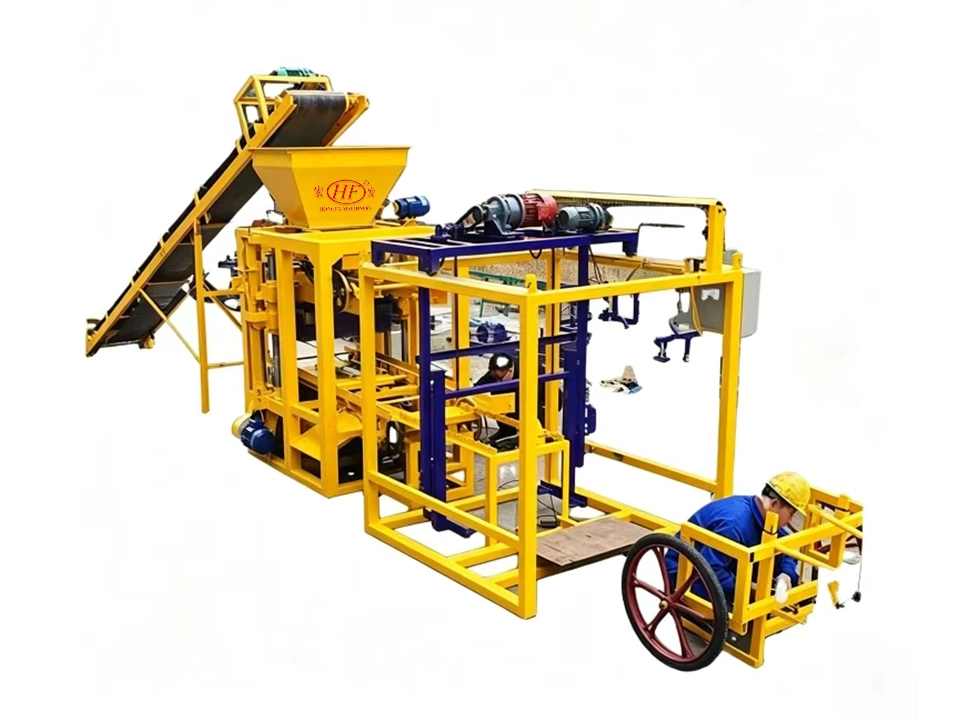
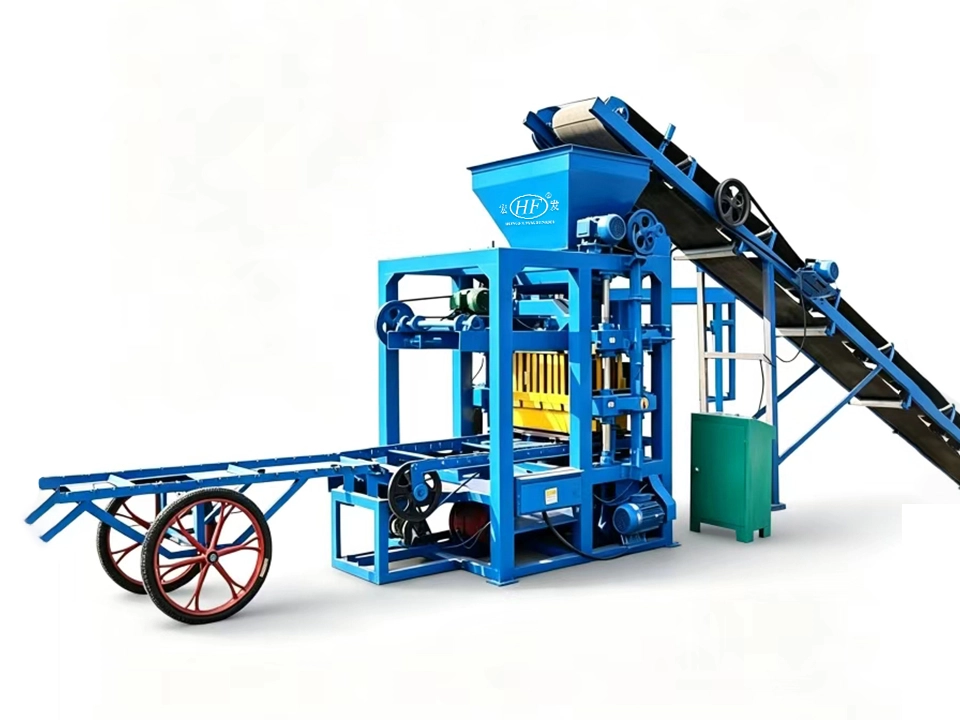
1. Low Initial Investment Threshold With Electric Push‑Pull Mold, Achieve Better Productivity Than Pure‑Manual Machines On Limited Budget
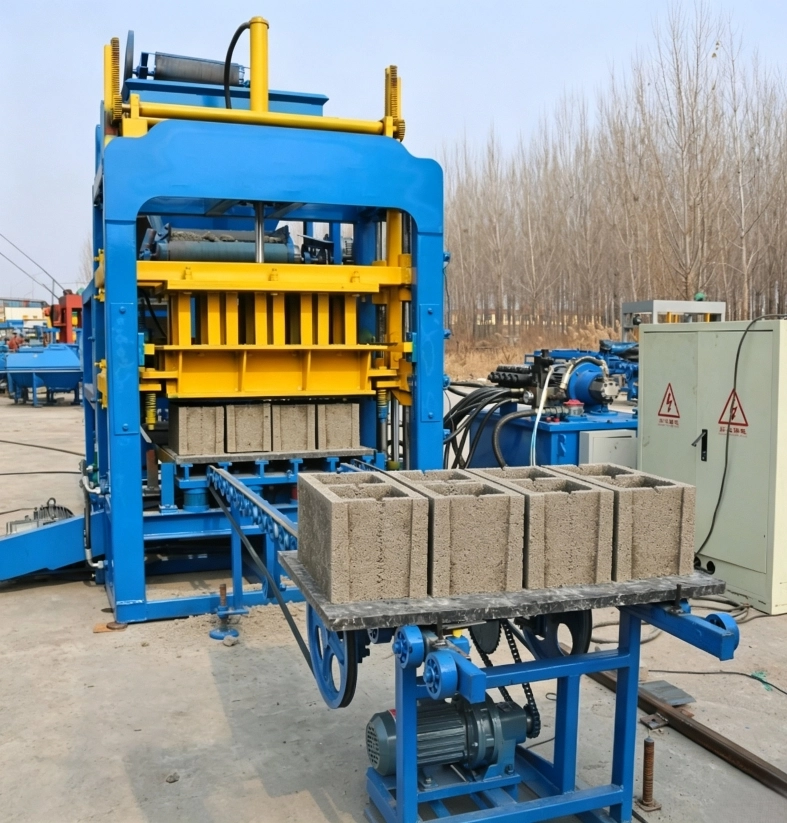
Many first‑time entrepreneurs in brick‑making industry worry heavily about upfront machinery spending. High‑end hydraulic fully‑automatic main units require large capital outlay and tie up substantial working capital, while pure‑manual machines suffer heavy labor burden and limited output, failing to cope with order surges. QT4‑26D adopts electric push‑pull mold structure. Material feeding and block discharging are driven by motors to greatly cut physical workload for operators. Its purchase cost is far lower than hydraulic automatic models. Entrepreneurs do not need huge one‑off payment. Working capital can be reserved for raw‑material purchase, local market expansion and client fund turnover instead of being fully spent on host machine. You may build a basic production cell within affordable budget to satisfy scattered township order demands. As order volume rises in later stages, mixers and conveyors can be added step‑by‑step for capacity upgrade. It avoids huge risks brought by one‑time heavy‑asset investment and suits budget‑limited new‑comers who want to test brick‑making market.
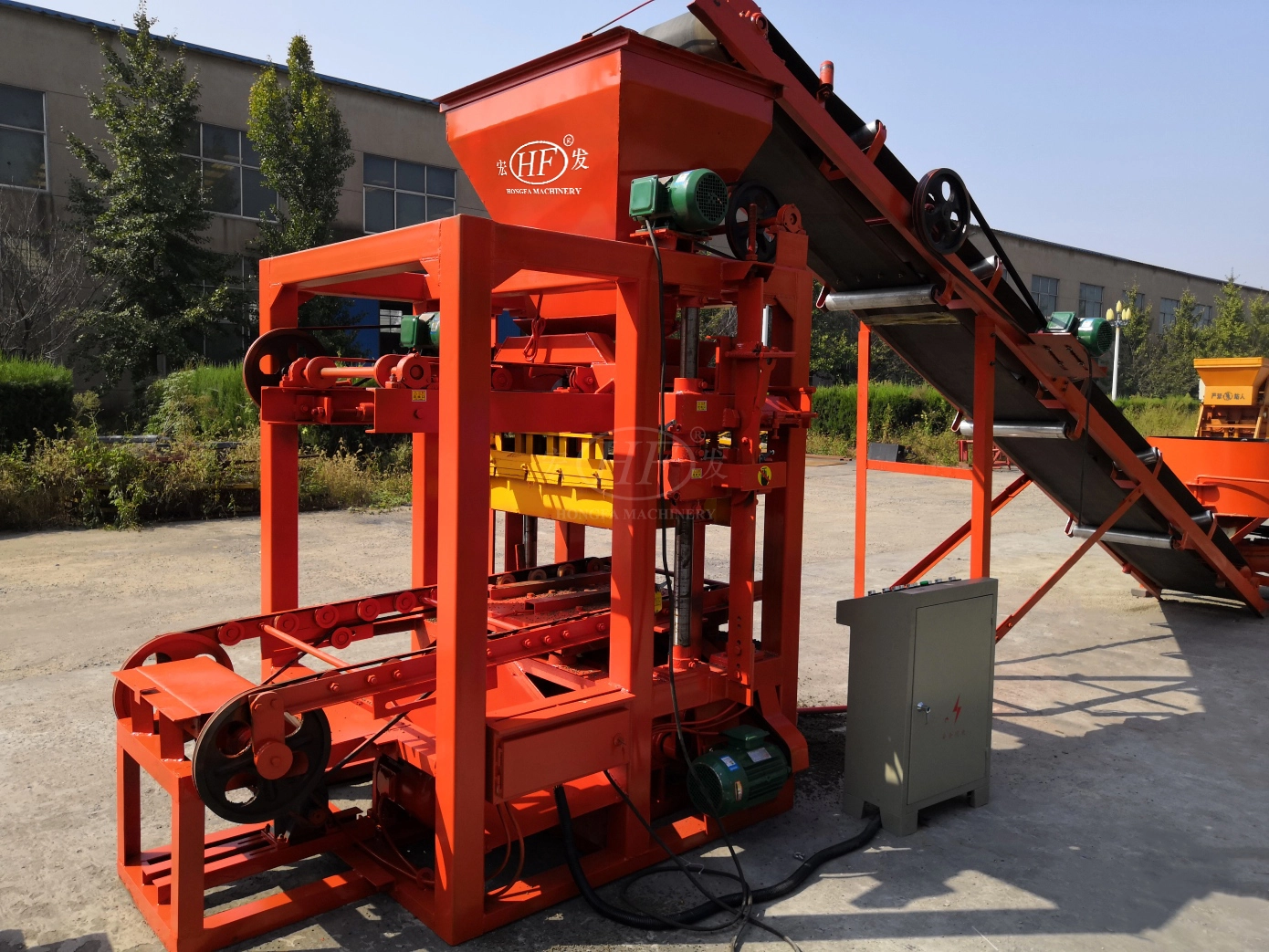
2. Robust Gantry‑Type Steel Frame Resists Vibration, Compact Footprint And High Tolerance For Plant‑Site Conditions
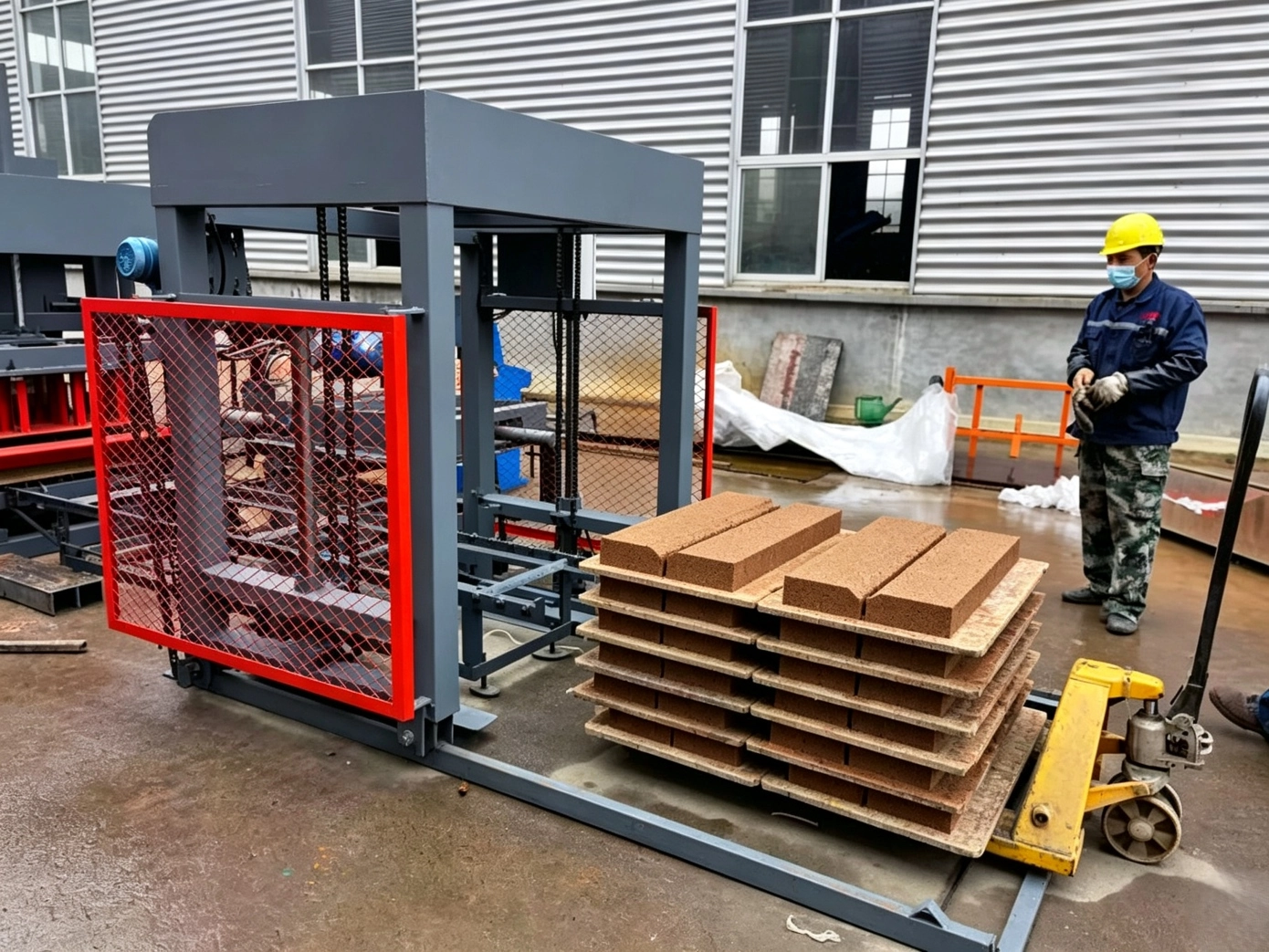
Startup entrepreneurs rarely have access to high‑standard industrial workshops. Available venues in towns and suburbs are mostly simple steel sheds or hardened open‑air ground. Bulky equipment with strict foundation and height requirements forces costly site reconstruction and increases startup financial burden. QT4‑26D features sturdy gantry steel frame with good anti‑vibration performance. Its compact overall dimension does not demand spacious high‑grade production workshops. Production can be launched on simple sheds or rural hardened yards after basic ground hardening, without large‑scale civil‑engineering or foundation renovation. Entrepreneurs can make full use of existing idle land resources and avoid high workshop rent specially for machine adaptation. Site‑selection flexibility gets greatly improved. Brick‑making startup projects can be realized in counties, towns and rural areas without being delayed by restrictive workshop conditions.
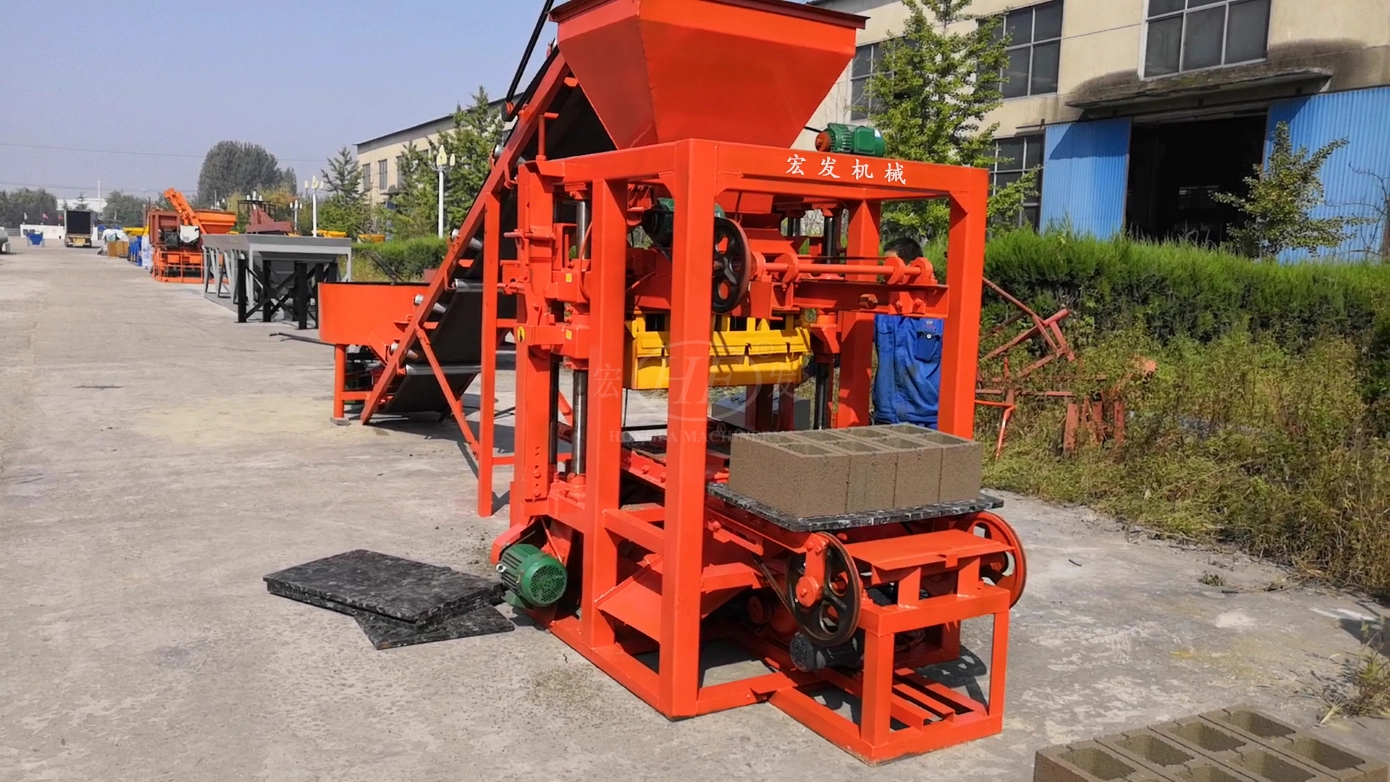
3. Intuitive Workflow, Electric Assistance Reduces Heavy Manual Labor, Ordinary Local Workers Can Get Operational Proficiency Fast
New small brick plants commonly face difficulties in recruitment and high staff turnover. Pure‑manual forming machines involve exhausting physical work and make staff retention hard. Complex hydraulic‑automatic equipment demands long learning curve for new‑comers. Resignation of skilled operators easily triggers production halt, delayed deliveries and damaged local‑client reputation. QT4‑26D applies intuitive electro‑mechanical workflow. Push‑pull mold, feeding and discharging are assisted by motor drive to cut repetitive heavy‑duty manual operations. Full production cycles are straightforward. Ordinary local workers can master complete operation after brief on‑site hands‑on guidance. There is no need to hire high‑salary professional technicians. Even with staff turnover, new hires can get familiar with workflows rapidly. Production suspension caused by personnel changes is minimized. Stable manufacturing and on‑time delivery can be guaranteed after receiving township housing and minor‑infrastructure orders, lowering manpower‑management pressure for newly‑founded plants.
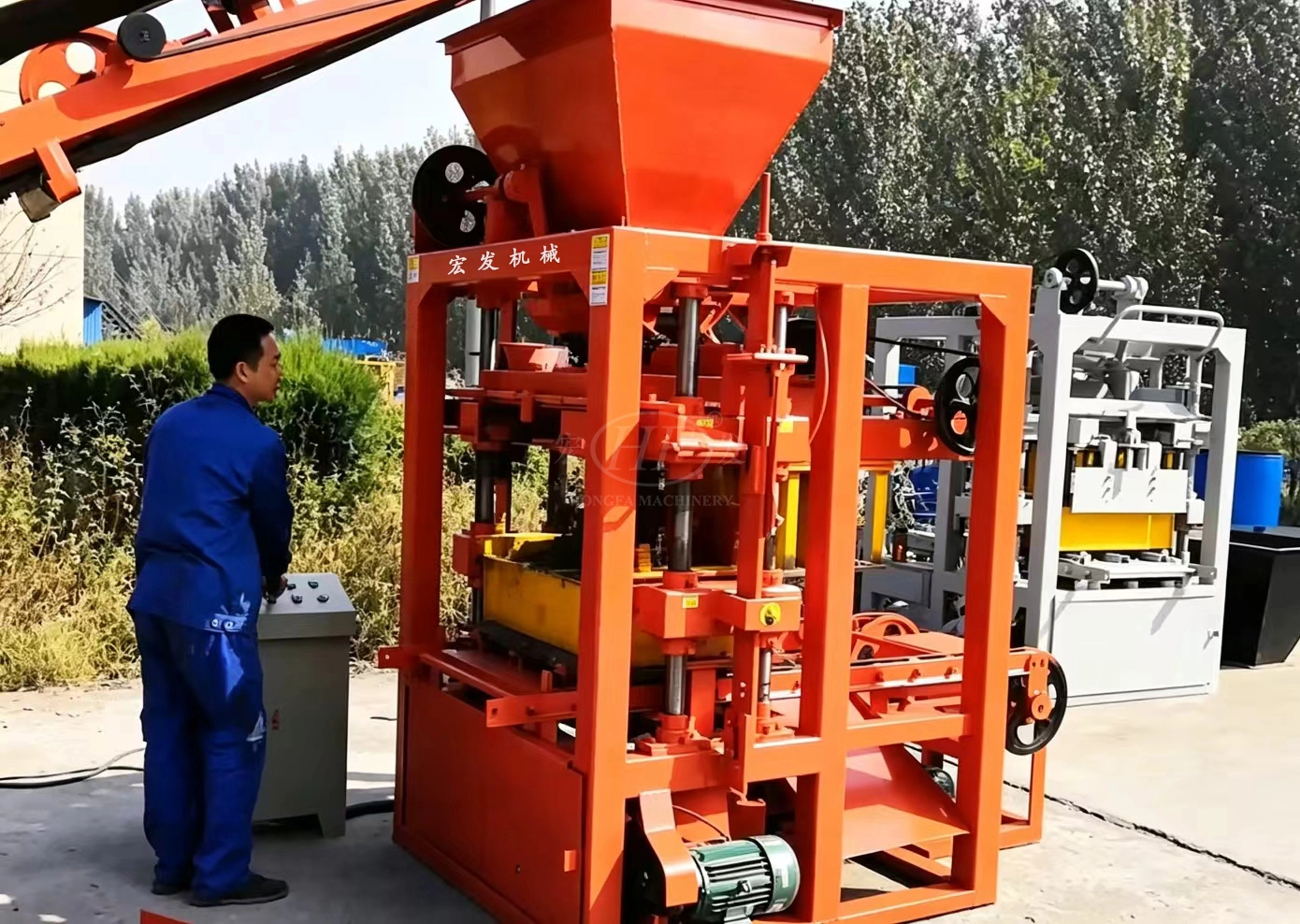
4. Wide Raw‑Material Compatibility And Convenient Mold Change, One Machine Handles Diversified Scattered Local Orders
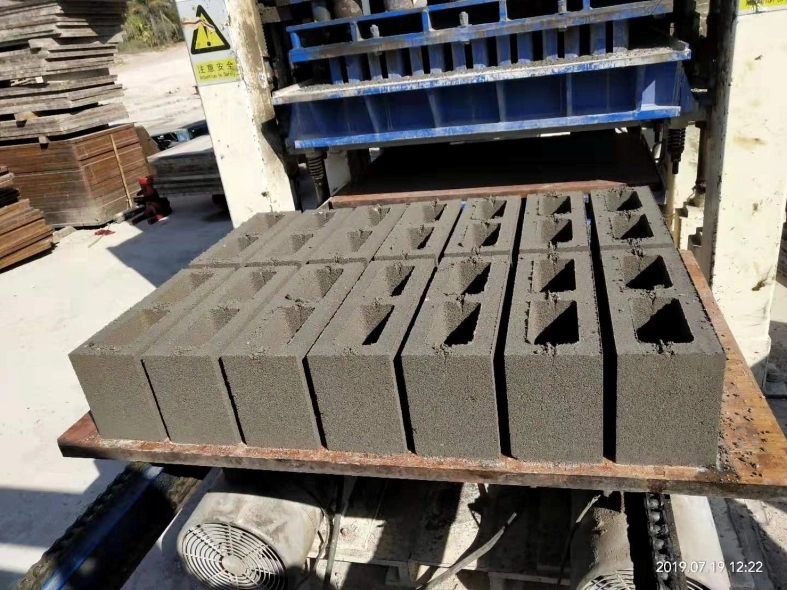
Most orders for startup brick factories come from surrounding township markets with fragmented demands. Buyers may need hollow blocks for house‑building, perforated bricks or standard solid bricks for road and slope‑protection works. Machines with narrow material adaptability and complicated mold replacement force you to subcontract jobs to competitors and give away local business profits. QT4‑26D works well with sand, stone chips, fly ash, slag and other locally accessible feedstock. On‑site industrial residues can be utilized to reduce raw‑material procurement cost. Mold replacement does not require modification of main gantry steel frame. After disassembly and simple position calibration, you can switch among hollow blocks, perforated bricks, standard bricks and other mainstream market products. Entrepreneurs can adjust manufactured products flexibly according to real‑time nearby‑customer requirements. One single main unit covers article demands of local housing, rural roads and small‑scale slope‑protection projects. Multiple forming hosts are not required. Scattered local orders can be maximized, equipment capacity‑utilization rate gets improved and overall project returns for startup businesses rise accordingly.
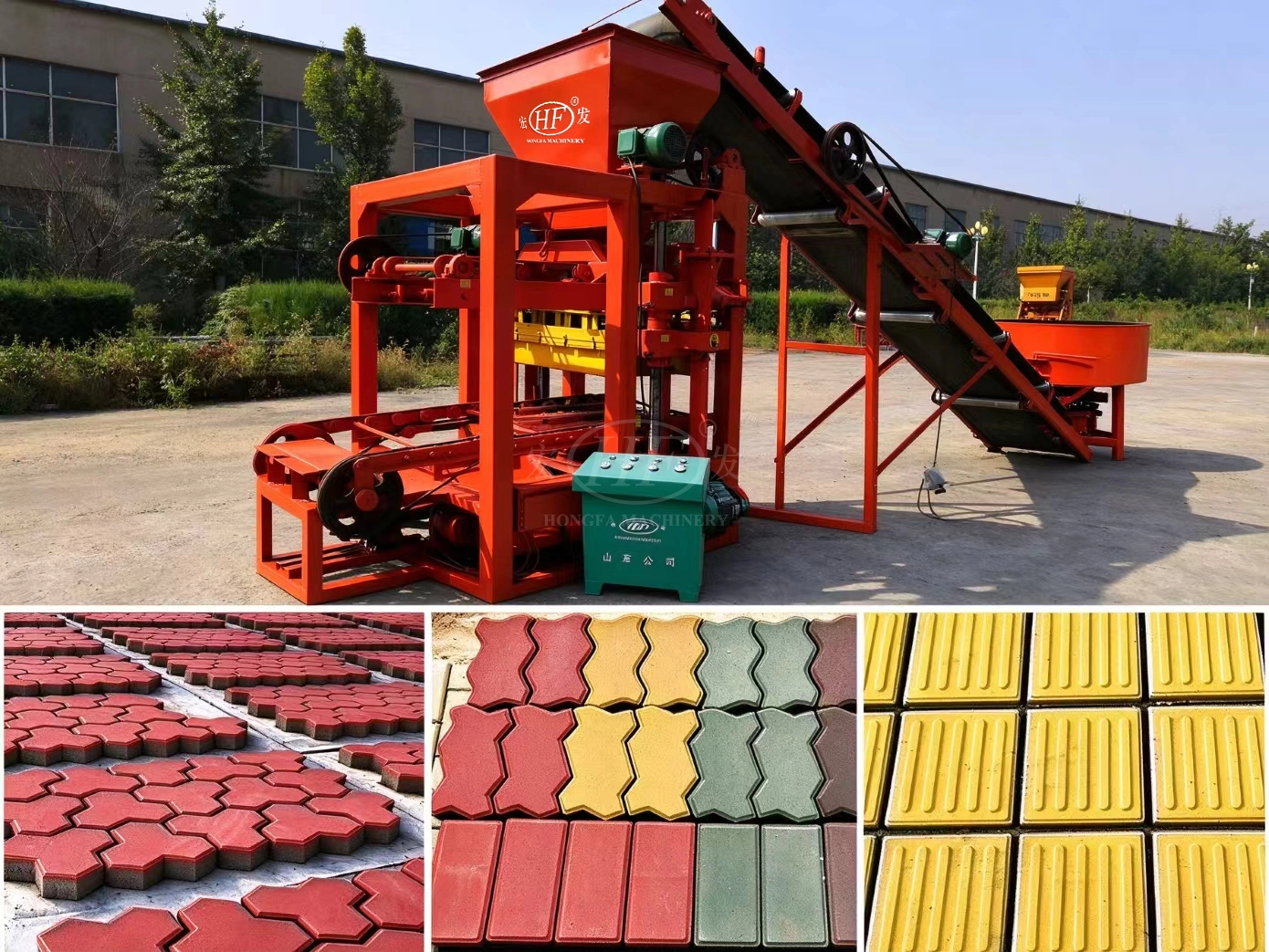
5. Simple Auxiliary Requirements, Short Commissioning Cycle For Fast Qualified‑Block Output And Accelerated Startup Cash‑Flow
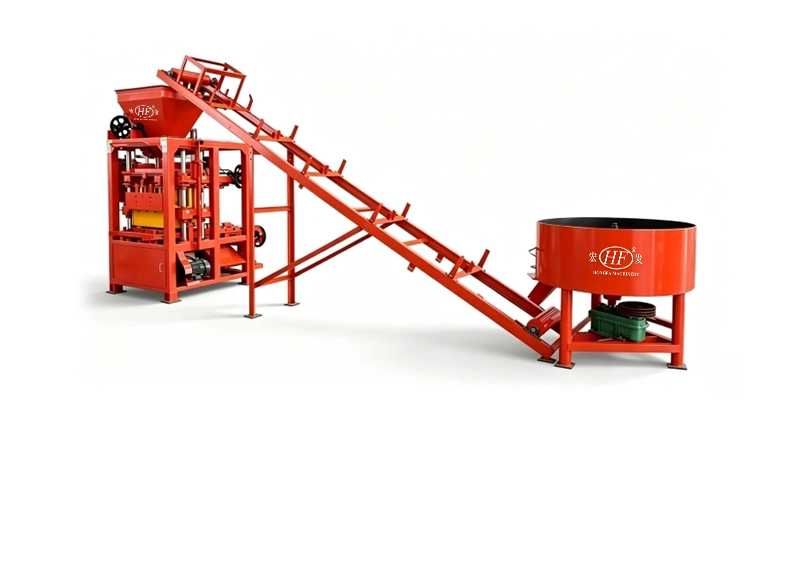
For startup businesses, capital‑turnover efficiency determines project survival. If machine arrival is followed by complicated peripheral auxiliary setup and long‑time civil‑work debugging, capital will be locked in fixed assets. You still need to cover site‑related overheads before generating sales revenue, which amplifies venture risks. QT4‑26D does not rely on complex and expensive full‑set peripheral auxiliaries. Production can start with simple mixing and conveying equipment. After machine positioning, wiring and simple tuning, qualified finished blocks can be produced without lengthy pre‑production preparation. Entrepreneurs can begin supplying goods for surrounding clients at an earlier stage and generate sales income sooner. The time gap between machine investment and payment collection gets shortened to optimize project cash flow. Early product deliveries also help build local‑market reputation for future business growth. It effectively relieves financial pressure in early‑phase operation and reduces trial‑and‑error risks for first‑time entrepreneurs.
1. Low Initial Investment Threshold With Electric Push‑Pull Mold, Achieve Better Productivity Than Pure‑Manual Machines On Limited Budget
Many first‑time entrepreneurs in brick‑making industry worry heavily about upfront machinery spending. High‑end hydraulic fully‑automatic main units require large capital outlay and tie up substantial working capital, while pure‑manual machines suffer heavy labor burden and limited output, failing to cope with order surges. QT4‑26D adopts electric push‑pull mold structure. Material feeding and block discharging are driven by motors to greatly cut physical workload for operators. Its purchase cost is far lower than hydraulic automatic models. Entrepreneurs do not need huge one‑off payment. Working capital can be reserved for raw‑material purchase, local market expansion and client fund turnover instead of being fully spent on host machine. You may build a basic production cell within affordable budget to satisfy scattered township order demands. As order volume rises in later stages, mixers and conveyors can be added step‑by‑step for capacity upgrade. It avoids huge risks brought by one‑time heavy‑asset investment and suits budget‑limited new‑comers who want to test brick‑making market.
2. Robust Gantry‑Type Steel Frame Resists Vibration, Compact Footprint And High Tolerance For Plant‑Site Conditions
Startup entrepreneurs rarely have access to high‑standard industrial workshops. Available venues in towns and suburbs are mostly simple steel sheds or hardened open‑air ground. Bulky equipment with strict foundation and height requirements forces costly site reconstruction and increases startup financial burden. QT4‑26D features sturdy gantry steel frame with good anti‑vibration performance. Its compact overall dimension does not demand spacious high‑grade production workshops. Production can be launched on simple sheds or rural hardened yards after basic ground hardening, without large‑scale civil‑engineering or foundation renovation. Entrepreneurs can make full use of existing idle land resources and avoid high workshop rent specially for machine adaptation. Site‑selection flexibility gets greatly improved. Brick‑making startup projects can be realized in counties, towns and rural areas without being delayed by restrictive workshop conditions.
3. Intuitive Workflow, Electric Assistance Reduces Heavy Manual Labor, Ordinary Local Workers Can Get Operational Proficiency Fast
New small brick plants commonly face difficulties in recruitment and high staff turnover. Pure‑manual forming machines involve exhausting physical work and make staff retention hard. Complex hydraulic‑automatic equipment demands long learning curve for new‑comers. Resignation of skilled operators easily triggers production halt, delayed deliveries and damaged local‑client reputation. QT4‑26D applies intuitive electro‑mechanical workflow. Push‑pull mold, feeding and discharging are assisted by motor drive to cut repetitive heavy‑duty manual operations. Full production cycles are straightforward. Ordinary local workers can master complete operation after brief on‑site hands‑on guidance. There is no need to hire high‑salary professional technicians. Even with staff turnover, new hires can get familiar with workflows rapidly. Production suspension caused by personnel changes is minimized. Stable manufacturing and on‑time delivery can be guaranteed after receiving township housing and minor‑infrastructure orders, lowering manpower‑management pressure for newly‑founded plants.
4. Wide Raw‑Material Compatibility And Convenient Mold Change, One Machine Handles Diversified Scattered Local Orders
Most orders for startup brick factories come from surrounding township markets with fragmented demands. Buyers may need hollow blocks for house‑building, perforated bricks or standard solid bricks for road and slope‑protection works. Machines with narrow material adaptability and complicated mold replacement force you to subcontract jobs to competitors and give away local business profits. QT4‑26D works well with sand, stone chips, fly ash, slag and other locally accessible feedstock. On‑site industrial residues can be utilized to reduce raw‑material procurement cost. Mold replacement does not require modification of main gantry steel frame. After disassembly and simple position calibration, you can switch among hollow blocks, perforated bricks, standard bricks and other mainstream market products. Entrepreneurs can adjust manufactured products flexibly according to real‑time nearby‑customer requirements. One single main unit covers article demands of local housing, rural roads and small‑scale slope‑protection projects. Multiple forming hosts are not required. Scattered local orders can be maximized, equipment capacity‑utilization rate gets improved and overall project returns for startup businesses rise accordingly.
5. Simple Auxiliary Requirements, Short Commissioning Cycle For Fast Qualified‑Block Output And Accelerated Startup Cash‑Flow
For startup businesses, capital‑turnover efficiency determines project survival. If machine arrival is followed by complicated peripheral auxiliary setup and long‑time civil‑work debugging, capital will be locked in fixed assets. You still need to cover site‑related overheads before generating sales revenue, which amplifies venture risks. QT4‑26D does not rely on complex and expensive full‑set peripheral auxiliaries. Production can start with simple mixing and conveying equipment. After machine positioning, wiring and simple tuning, qualified finished blocks can be produced without lengthy pre‑production preparation. Entrepreneurs can begin supplying goods for surrounding clients at an earlier stage and generate sales income sooner. The time gap between machine investment and payment collection gets shortened to optimize project cash flow. Early product deliveries also help build local‑market reputation for future business growth. It effectively relieves financial pressure in early‑phase operation and reduces trial‑and‑error risks for first‑time entrepreneurs.

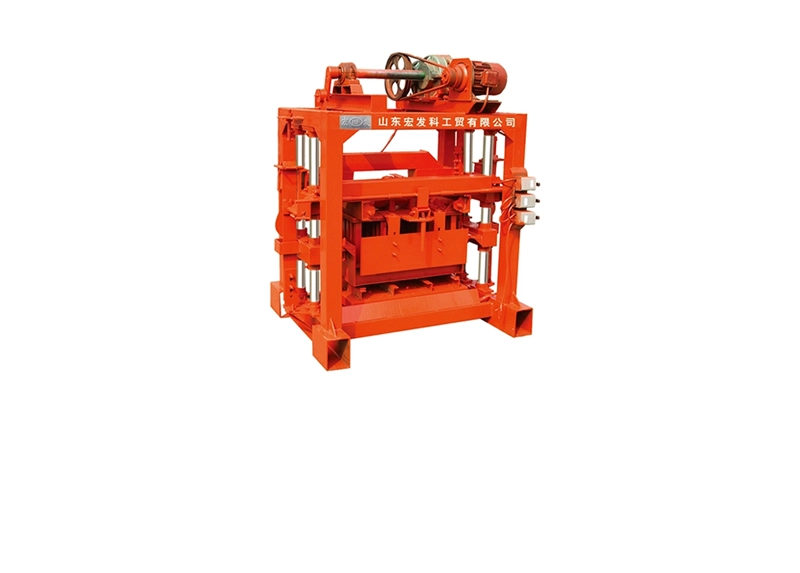 QTJ4‑40B2 Table‑Vibration Block Making Machine | Low‑Budget Practical Startup Solution For Small Brick Plants
QTJ4‑40B2 table‑vibration block making machine delivers practical factory‑building solution for budget‑constrained first...

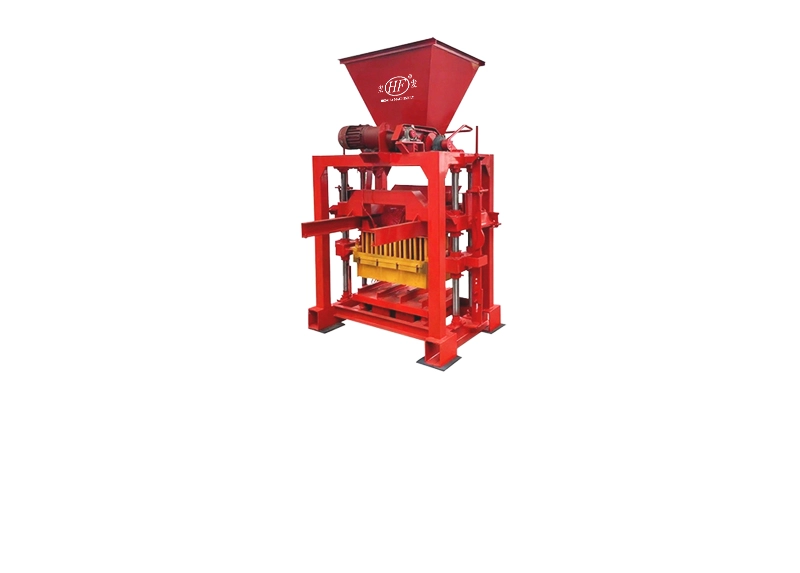 QTJ4‑35B2 Semi-automatic Brick Making Machine | Ultra‑Low‑Budget Startup Solution For Mini Brick Workshops
QTJ4‑35B2 block making machine delivers entry‑level brick‑plant setup solution for financially‑constrained mini‑startup ...
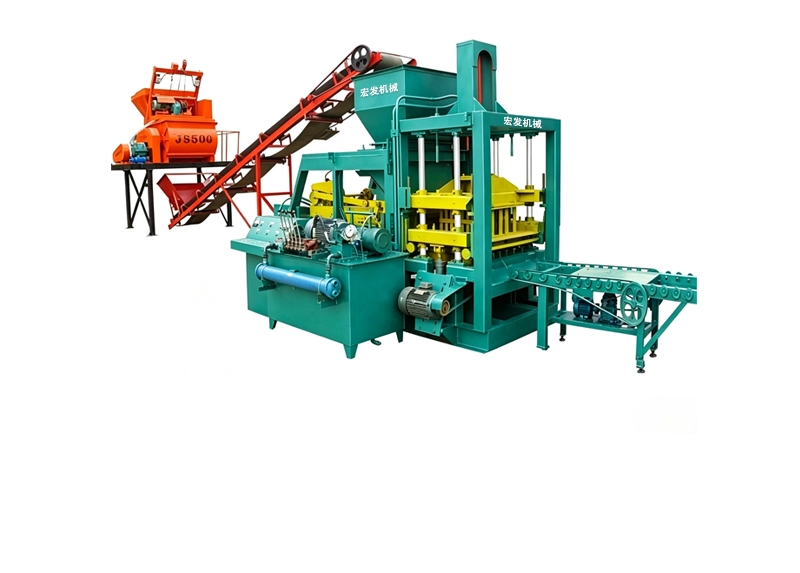 QT4‑20C Hydraulic Automatic Concrete Block Making Machine | Low‑Risk Plant‑Building Solution for Startup Small Brick Plants
QT4‑20C hydraulic automatic concrete block making machine delivers low‑risk factory‑building solution for first‑time sta...
Shandong Hongfa Scientific Industrial&Trading Co.,Ltd ©️2026Copyright © LU ICP B 16041216-4